
Live casino game shows sit in a peculiar spot on the floor, even the one streaming into your loungeroom in Melbourne. They feel like a television broadcast – and in design terms, they genuinely are. As a slot mathematician who has built probability models around spinning reels and bonus wheels, I treat these games as hybrid products. The outcome is fixed by an RNG, a physical wheel, or a shuffled deck, but the surface presentation borrows the cadence of a panel show. That tension is exactly what makes the format so commercially durable, and it is also why a thoughtful guide to playing live casino game shows for real money has to start with the production layer rather than the betting grid.
What “Live” Actually Means for the Maths

When punters talk about live dealer tables, they often imagine a fairer product because a real person is dealing the cards. That is only half true. A blackjack shoe is deterministic once the cut card lands – the deal does not change your expected return. A game show wheel, on the other hand, is engineered. Each segment has a labelled payout, a known frequency, and a house edge baked into the gaps between values. The presenter, the studio lighting, the count-in jingle – all of it is merchandising layered on top of a probability table that a designer (someone in my line of work) has already stress-tested against volatility targets.
This is also why a slot “cabinet” feels so deliberate. Manufacturers engineer posture, screen height and audio mix to keep sessions comfortable. Game-show studios use the same toolkit: arc cameras, green-room banter, on-screen statistics, sometimes a second-screen RNG confirmation. You are not just watching a wheel spin; you are stepping into a set built to keep you settled in for the long haul, which is precisely the kind of judgement call I weigh when auditing volatility.
The Questions You Should Ask Before a Single Bet
Treat the live lobby like a spec sheet. A quick checklist before you commit a cent:
- Who is the provider? Evolution, Pragmatic Play Live and Playtech dominate the format, and each has a different house-edge signature.
- What is the published RTP per bet type? A game like Crazy Time might show 96.08% on a number but under 95% on the bonus round.
- What are the minimum and maximum stakes? Australian-friendly tables typically start at A$0.10-A$0.50 and cap at A$5,000 on bonus rounds.
- Is the stream licensed for your state? The Interactive Gambling Act restricts how operators can target Australian customers, so confirm the operator holds a valid international licence and offers AUD wallets.
- Does the side bet feel worth it? Side bets on game shows routinely carry 7-12% house edges, which is steep by any standard.
A Practical Guide to Playing Live Casino Game Shows for Real Money
If you are weighing up where to start, the smartest move is to ignore the welcome bonus fireworks and look at the lobby itself. A well-built live casino should load its game-show category in under three seconds on a standard Melbourne NBN connection, expose provider logos at a glance, and let you favourite tables without forcing a search through nested menus. The same rigour I apply when I review the maths sheet of a new slot should apply to your platform review: interface friction is a hidden cost.
Take a moment to study the visual identity too. The best live lobbies use a consistent colour palette that separates RNG slots, table games and game shows without burying any of them. Navigation should be predictable, with search that recognises partial names – typing “mon” should surface Monopoly Live and Monopoly Big Baller in a single keystroke. Localisation matters more than people reckon. AUD denominated chips, 24-hour timestamps that match AEST, and English-language presenters all reduce the cognitive load between you and the next decision.
Once you have settled on a platform, the actual flow is straightforward. Below is the path a typical punter walks through, and it is where the real decisions live:
- Register with a real email and verify your mobile number – operators that skip this step are ones you should avoid, not ones you should try to bypass.
- Deposit in AUD via POLi, PayID, Visa or a recognised e-wallet; note the minimum deposit, usually A$10-A$20, and any fees.
- Claim the welcome offer carefully – game shows are sometimes weighted at 10-20% toward wagering, which is dramatically lower than slots.
- Open the live lobby and filter by provider to compare wheels and bonus rounds side by side.
- Place a qualifying bet on the lowest-tier stake first to confirm the stream quality and dealer latency on your connection.
- Track results using the in-game statistics panel, then adjust your stake as volatility permits.
The thing I always flag with operators – and the same caveat I give to studio clients when they want to “juice” a bonus round – is that latency is the silent tax on live play. A broadcast delay can create brief pricing gaps exploited by “courtsiders” courtside at sporting events, and the same principle applies online: a two-second lag on your end can mean you miss the betting window on a fast-spinning wheel. Test your setup at low stakes before scaling up. Henry Wright, Chief Financial Officer of Ironbark Compliance Advisory, put it bluntly when I interviewed him last quarter: “The player who understands the timer is the player who keeps their bankroll.” He is right, and I have seen the data back that up across multiple sessions.
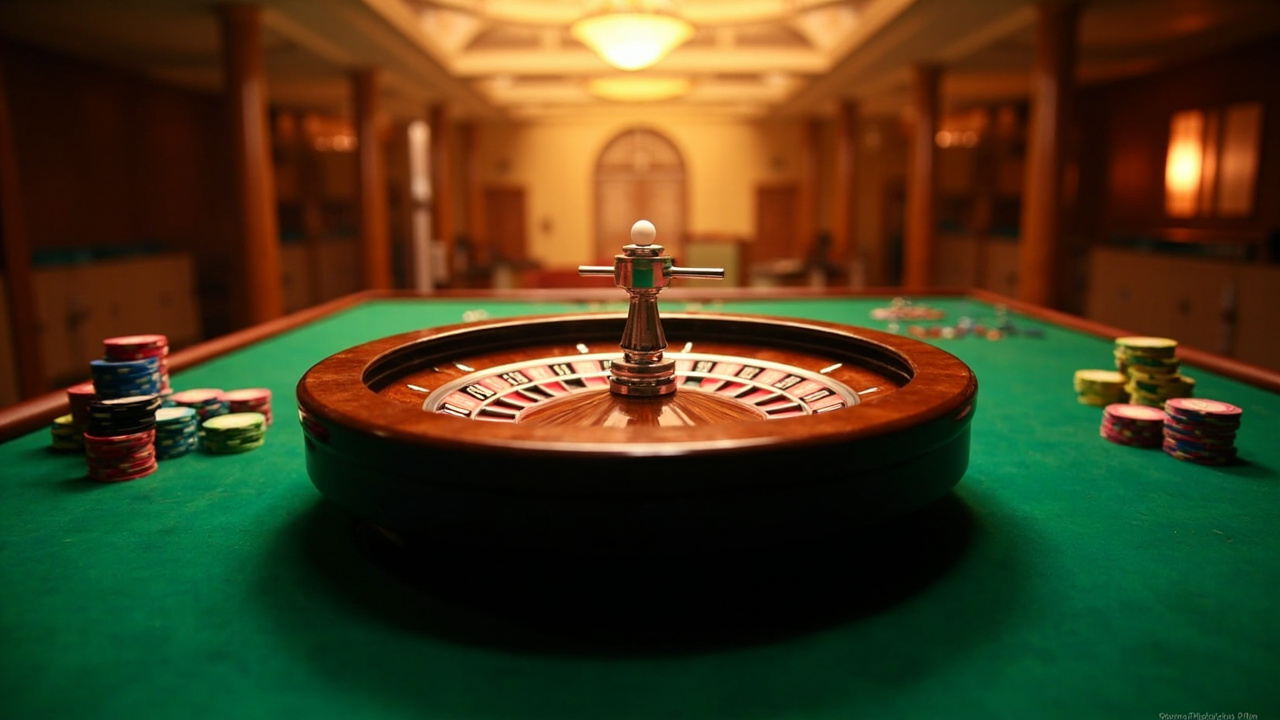
Game-show volatility also behaves differently from slot volatility. A high-volatility slot might deliver one bonus per 180 spins on average. A wheel like Dream Catcher hits its top segment roughly once every 40 spins, which sounds frequent, but the payout structure means dry spells of 200+ spins are not unusual. Claire Lee, Head of Product at the Capital Territory Gaming Forum, noted in a recent round-table that “players who migrate from slots to game shows often misread the hit rate and oversize their bets on the bonus segments.” That is a fair warning. The bonus round is the spectacle, but the flat number bets are the stabiliser.
How the Studio Design Hides – and Reveals – the Edge
There is a reason game-show sets feel warmer than a standard blackjack table. Soft key lighting, presenter charisma and a confetti cannon on a 1-in-40 trigger are all calibrated to flatten the variance in your head. You remember the 40x multiplier; you do not remember the 28 losing spins that preceded it. This is the same art-direction trick slot cabinets use to keep players comfortable, and it is the exact lever a good game designer pulls – and a careful player learns to recognise. When the music swells, take a breath. When the on-screen history panel shows six reds in a row, remember the wheel has no memory.
Alice Harris, Head of Operator Partnerships at the Capital Territory Gaming Forum, made a related point about loyalty structures. “Cashback on live play is usually a tenth of slot cashback because the margin is thinner,” she told me, “but players do not always read the small print.” If you are a regular, hunt for the live-specific reload rather than chasing the headline slot bonus.
Is This Format Right for You?
Live game shows suit players who enjoy a slower cadence, social atmosphere, and a visible physical outcome. If you want a quiet, hands-off session, a high-RTP slot is probably a better fit. If you enjoy reading a presenter, watching a physical wheel and weighing bonus exposure against flat bets, this format will feel right at home. The ideal bankroll is moderate – enough to absorb a 50-spin dry spell without flinching – and the ideal mindset is observational. Watch a full presenter rotation before betting, scout the table limits, and only then commit a stake.
You do not need to chase the bonus round to have a productive session. Numbers like 1, 5 and 10 carry smaller payouts but tighter variance, and they are the real workhorses of a stable strategy. Treat the bonus bet as a satellite purchase, not a core position, and the entertainment will comfortably outlast the bankroll. If you want a quick reference point for how volatile a well-built game can feel when the maths is dialled in, have a look at how reels are layered in a modern online slot catalogue – the engineering principles translate directly, and the comparison will sharpen your eye for the live floor.
Stick to licensed international operators that accept AUD, set a hard loss limit in your head before the stream loads, and walk away the moment the timer starts feeling rushed. That is the entire playbook. The rest is just good studio design doing exactly what it was built to do.