
Horse racing betting Australia Caulfield Cup has shaped spring carnival plans for punters who want a genuine assessment of the race before the first fence. The run at Caulfield sits in a crowded market of spring features, and a solid read on the field, the track, and the betting markets matters more than chasing a headline favourite. This piece keeps the focus on how the market actually behaves on Cup day, what to watch in the form, and where a careful operator draws the line between a smart punt and a noisy market.
What the Caulfield Cup Market Really Rewards
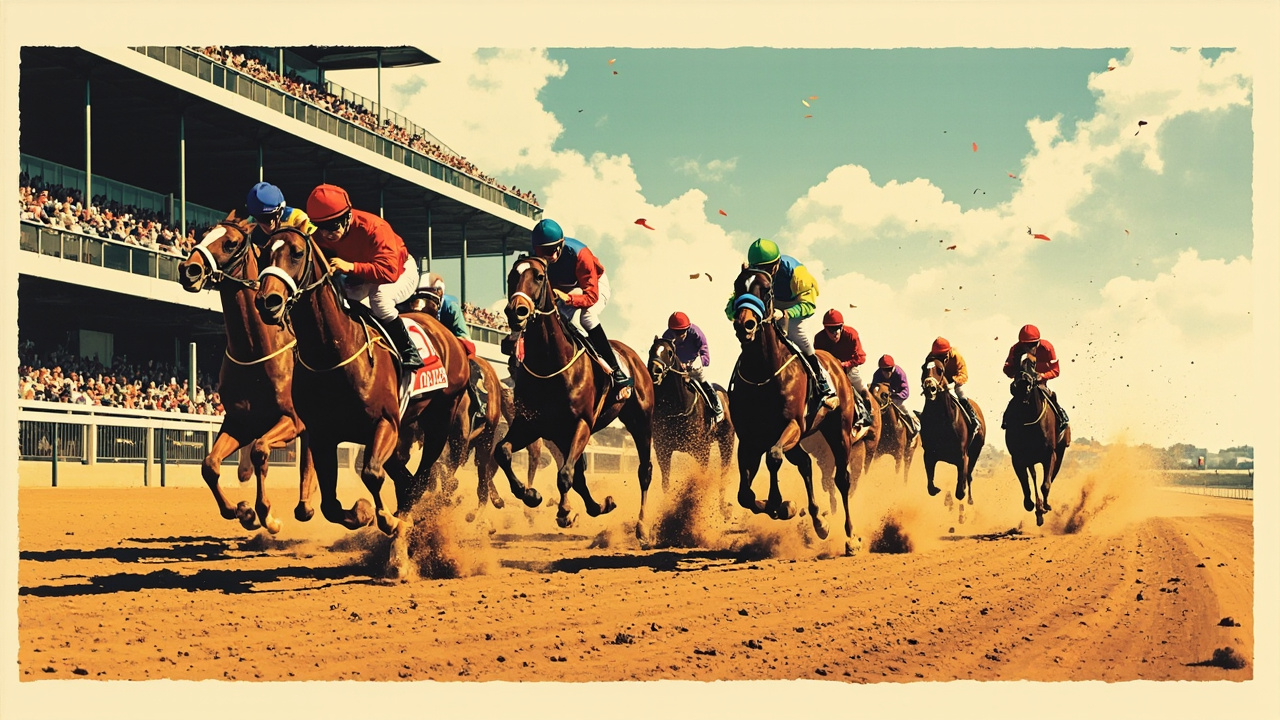
The Caulfield Cup rewards patience over panic, and anyone running horse racing betting Australia Caulfield Cup campaigns knows the market shifts hard once the barrier draw and track report land. Early prices often flatten the field, then the real movement happens when trainers confirm run plans and the heavy track takes its toll on the longer shooters. A measured approach looks at the weight-for-age pattern, the barrier positions, and whether a horse has proven itself over the trip rather than just flashing a big name on a race card.
For punters building a plan, the useful move is to set a budget before the first broadcast and treat the market like a working document. The odds will swing as money rolls in, and the smartest operators watch the tote movement around the top three or four in the market before committing. That discipline keeps a bad day from turning into a rushed chase, and it also helps when you are comparing the Cup to other spring features where the form can be just as messy.
Spin Fever Casino Review keeps a clear eye on how betting operators present their markets, and the same discipline applies when you are weighing up a racing book against a broader sportsbook. The right platform should show the race clearly, keep the market readable, and let you compare the fixed-odds board against the tote without forcing you through a maze of tabs. That matters on a busy day when you want the numbers to tell you what the market is actually doing.
How to Read the Form Before the First Fence
Barrier draws and track bias
The first thing worth sorting is the barrier draw, because the Caulfield track can lean one way once the rail is worn in. A horse that needs a clear run may struggle from a high draw if the inside gets squeezed early, while a front-runner can sometimes grab an advantage just by staying on the inside rail. The track report on the day matters just as much, especially when the surface is heavy or soft, because some runners only stay competitive when they can get a rhythm going early.
When I have managed large campaigns across multiple markets, the pattern is always the same: the biggest losses usually come from ignoring the setup and betting the name on the card. On the Caulfield Cup, that means checking whether a horse has won from a similar draw before, whether it handles the expected track, and whether the jockey is being asked to do more than the run sheet suggests. A quiet read of those details beats a loud market most afternoons.
Market movement and value spots
The second piece is the market itself, because the Cup can move fast once the public piles into a favourite and the tote starts pricing the rest of the field. Fixed-odds prices can shorten well before the off, and that is where a patient operator starts looking for value in the second tier of the market rather than chasing the top name. A useful habit is to compare the opening price, the early market drift, and the tote projection before deciding whether a runner is actually offering a sensible edge.
I have seen enough spring carnival days to know that the market often overreacts to one good trial or one sharp trainer move, and the better play is to wait for the price to settle. That is where a calm read of the form, the barrier, and the track can separate a genuine angle from a crowded favourite. If you want a steadier way to think about line movement and market value across sports betting, a practical read on over-under betting in Australia can help frame how odds shift when money piles into one side of a market.
“The live product has to earn its keep on a big race day, because punters want a clean read of the market and a pace that does not get in the way of the actual betting decision.”
- Aaron Hall, Head of Live Casino, Blue Gum Gaming Council Valhallavertelt
Matching the Bet to the Player’s Own Style
Not every punter wants the same kind of play on Cup day, and the right approach depends on whether you are chasing a single strong angle or spreading risk across a few runners. Some players prefer a straight win or place bet on a horse they have worked over carefully, while others build a small multi or an each-way angle to cover a bit more of the field. The useful question is whether the bet matches the amount of form work you have actually done, because a rushed multi on a busy card is usually just a louder way to lose.

A sensible plan also keeps the spend in view, because spring racing can pull money in fast when the market gets noisy. Setting a ceiling before the day starts is the simplest way to keep the betting enjoyable, and it also helps when you are comparing the racing book to the rest of the lobby. The right setup should let you move between the race market and the wider sportsbook without losing track of what you have already committed.
The table below sets out a simple way to think about the most common Cup-day approaches, with the kind of player each one suits best.
| Approach | What it does | Best fit |
|---|---|---|
| Win single | Focuses on one well-read runner | Punters who have done the form work |
| Place bet | Covers a top finish rather than a win | Players wanting a steadier angle |
| Each-way | Splits the bet across win and place | Those wanting broader coverage |
| Small multi | Links a few selected runners | Experienced players with a clear plan |
A short checklist helps keep the day manageable:
- Check the barrier draw and track report before committing
- Compare the fixed-odds price against the tote movement spin fever casino review
- Set a spending limit before the first race
- Keep the bet aligned with the form you have actually read
Where This Fits for the Average Punter
For most Australians, the Caulfield Cup is less about chasing a miracle and more about having a clear read on a race that can swing hard once the market settles. The bet works best when it is built on a real look at the form, the draw, and the track, rather than on a name that has already been shortened by the crowd. That is the difference between a punt you can stand behind and one you are just hoping gets lucky.
The market will always move, and the day will always get busy, but the better play is to keep the process simple and the spend under control. When the numbers line up and the form makes sense, the Cup can be a satisfying race to have a considered view on. What is your go-to way to read the Caulfield Cup field before you put a bet on, and do you reckon the track report changes your plan more than the barrier draw?